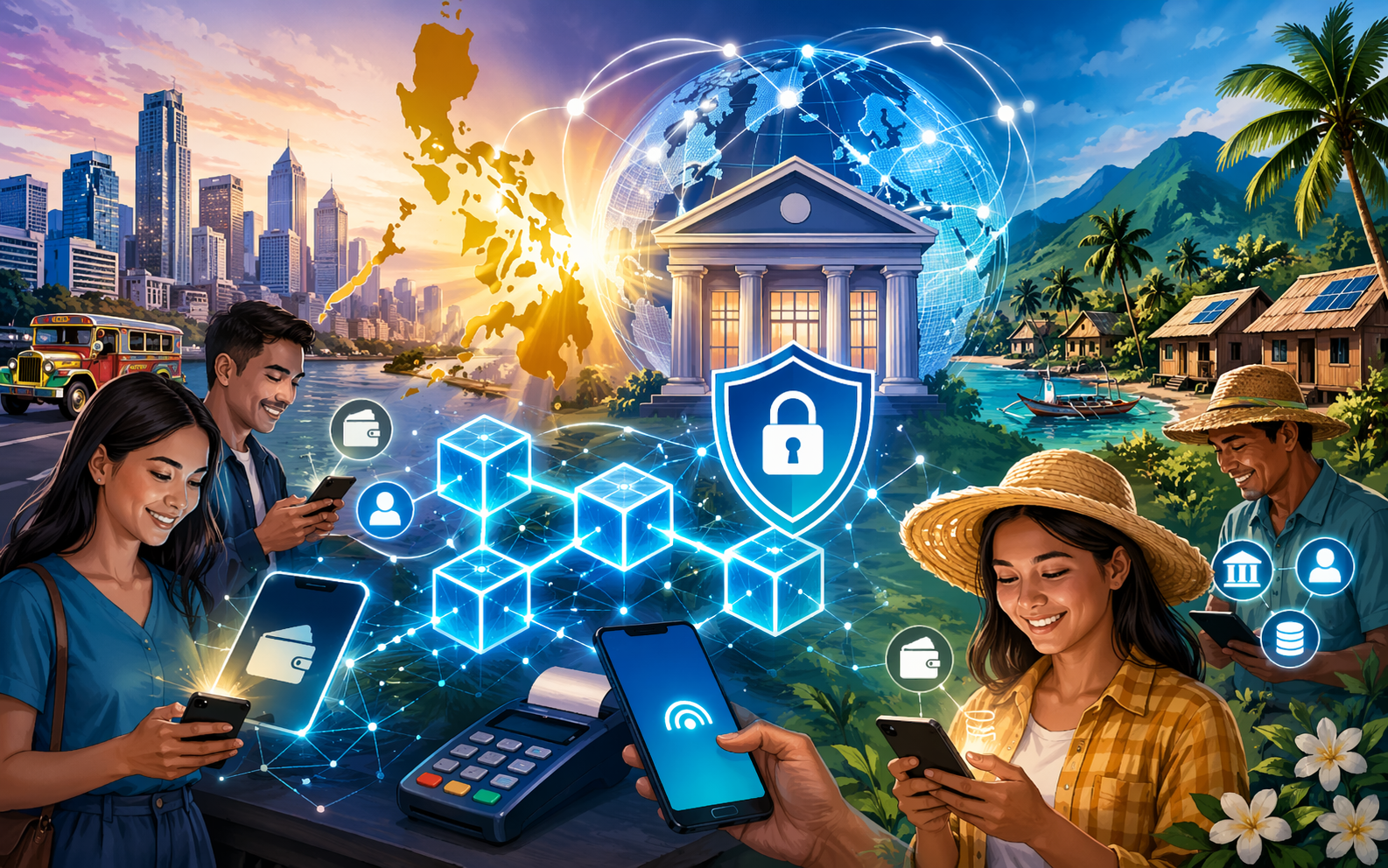
The Philippine banking sector is on the cusp of a major transformation, largely driven by the forces of digitalization and the country’s growing integration into the global financial landscape. As more people adopt smartphones and the internet becomes increasingly ubiquitous, banks in the Philippines are adjusting to these new realities by offering digital services that make banking more accessible and efficient.
Digital banking in the Philippines has seen tremendous growth in recent years, driven in part by the government’s efforts to encourage cashless transactions and greater financial inclusion. The implementation of digital payment systems like the National Retail Payment System (NRPS) and the growth of mobile wallets like GCash and PayMaya are reshaping the way Filipinos interact with their finances. These innovations are not only making financial services more accessible to the general population but also laying the groundwork for a more inclusive financial ecosystem.
The digitalization of banking services in the Philippines is helping to address issues of financial exclusion, which has historically been a problem in rural areas. Many Filipinos, particularly those in underserved regions, have had limited access to physical bank branches. However, with the rise of mobile banking, more Filipinos are able to engage with financial services without the need to travel long distances or rely on cash transactions.
At the same time, the global integration of Philippine banks is becoming more pronounced. Filipino banks are now aligning themselves with international banking standards and forging partnerships with global financial institutions. These collaborations are expanding their reach beyond local markets and opening doors to new opportunities in the ASEAN region and beyond. The rise of global remittance flows, particularly from Overseas Filipino Workers (OFWs), is one of the key drivers behind this trend.
One of the biggest opportunities for Philippine banks in the global arena is the expansion of digital remittance services. The Philippines is one of the top recipients of remittances globally, and banks are increasingly turning to technology to make these transactions faster, cheaper, and more secure. Technologies like blockchain are making cross-border payments more efficient, and banks are adopting these solutions to enhance the experience of OFWs and their families back home.
While digitalization and global integration offer immense potential for the Philippine banking sector, there are also challenges that need to be addressed. Cybersecurity is one of the most pressing concerns, as the rise of digital banking increases the risk of data breaches and fraud. Banks must invest heavily in cybersecurity infrastructure to protect customers and build trust in their digital services.
Another challenge is the need for financial literacy initiatives. As more Filipinos gain access to digital banking platforms, it is important that they are equipped with the knowledge to use these tools effectively and safely. Programs aimed at increasing financial literacy are crucial for ensuring that all Filipinos can benefit from the growing digital banking ecosystem.
Despite these challenges, the future of Philippine banking looks bright. By embracing digital technology and fostering global partnerships, Filipino banks are positioning themselves to play a larger role in the global financial system, ensuring their continued growth and success in the years to come.