
The New Frontier of Financial Crime
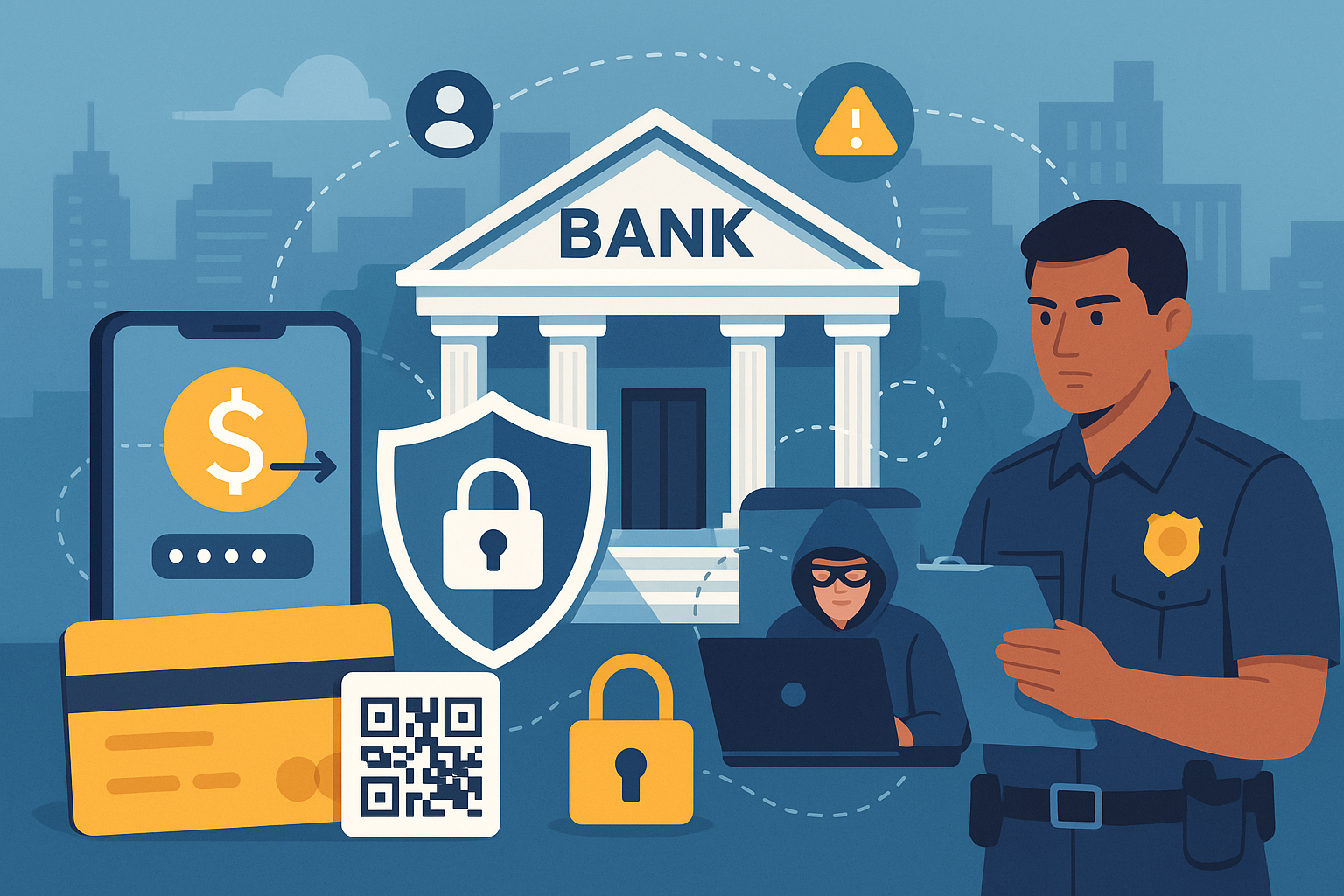
As Filipino investors flood into the crypto market, the banking sector has become the gatekeeper and the target. By 2026, the nature of bank heists has changed completely. Physical bank robberies are at an all-time low, but digital asset heists are skyrocketing. Criminals are no longer looking for cash in the vault; they are looking for private keys and login credentials to accounts that hold crypto. This has forced Philippine banks to overhaul their security architecture, integrating AI-driven behavioral analytics that can detect unusual withdrawal patterns to external wallets.
The Role of Artificial Intelligence
Human analysts can no longer keep up with the speed of blockchain transactions. In 2026, major Philippine banks are deploying machine learning models that score transactions in real-time. These AI systems analyze the “history” of the receiving wallet address. If a customer attempts to send funds to a wallet flagged for involvement in darknet markets or sanctioned entities, the transaction is automatically halted for manual review. This proactive stance is essential to maintain the integrity of the banking sector amid the crypto surge.
Regulatory Compliance (AML/KYC)
The Anti-Money Laundering Council (AMLC) of the Philippines has tightened its rules regarding the “Travel Rule” for crypto. Banks are required to share detailed originator and beneficiary information for crypto transactions above a certain threshold. To comply without disrupting user experience, banks are adopting “zero-knowledge proof” systems. This allows them to verify that a user has passed KYC checks without actually exposing the user’s private data to multiple parties, balancing privacy with security.
Educating the Investor
The most significant defense mechanism in 2026 remains education. Banks have realized that they cannot simply build a wall around the customer; they must teach the customer to avoid the wolves. Major financial institutions have launched in-app “Crypto Safety Academies” that reward users with points for completing modules on identifying phishing scams, rug pulls, and Ponzi schemes. This gamification of financial literacy is proving effective in reducing the success rate of social engineering attacks that previously drained accounts.