
The Power of Proximity
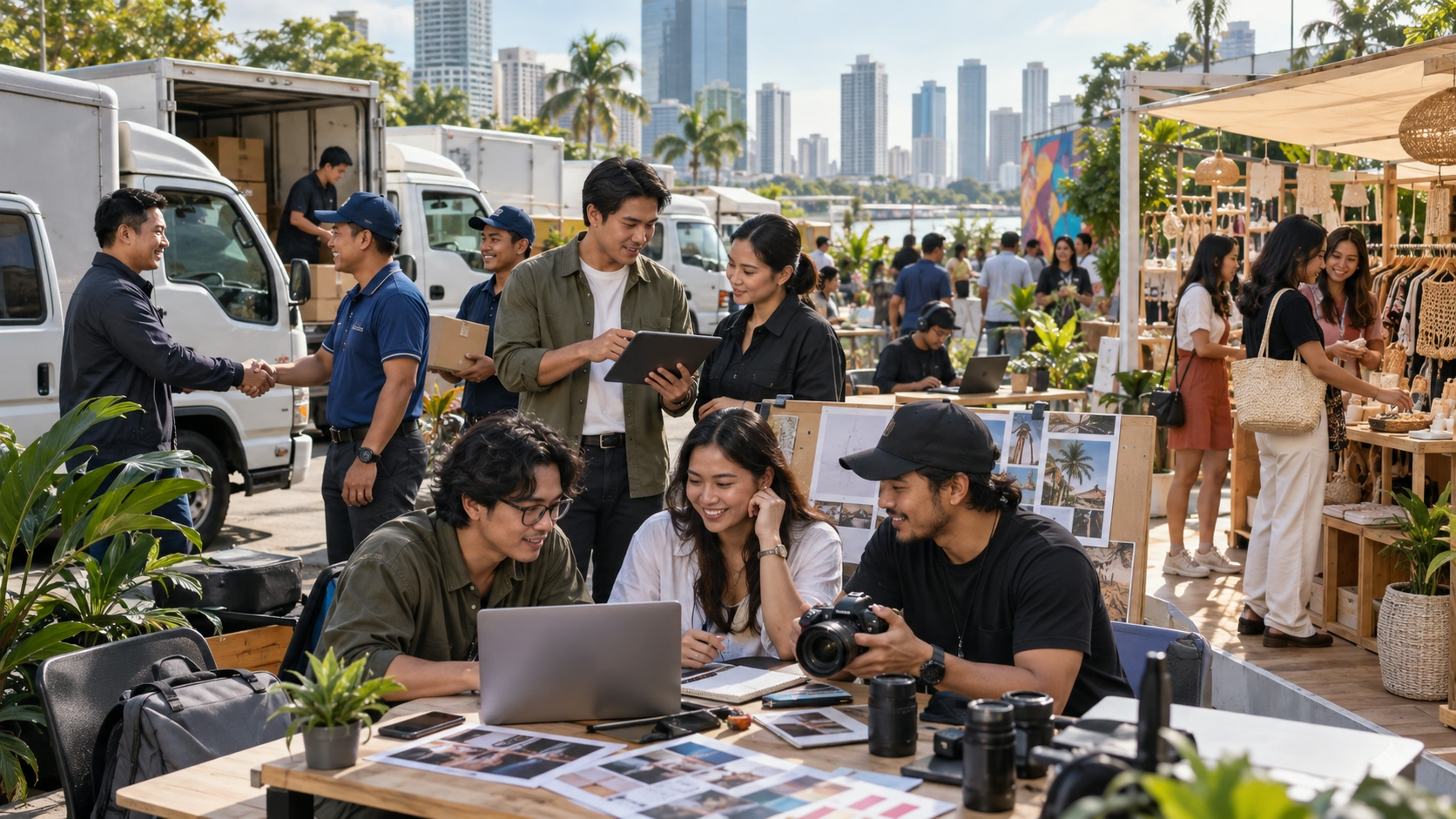
In the bustling and often congested landscape of the Philippines, distance is a critical factor. By 2026, the most successful non-technology startups are those that have mastered the art of Hyper-Localization. Instead of trying to solve national problems immediately, these startups are focusing on barangay-level and city-level service gaps, creating highly profitable and deeply integrated businesses.
Concierge Healthcare
One of the most rapidly growing sectors is hyper-local healthcare. With traditional hospitals often overwhelmed, non-tech startups are launching concierge health services that cater to specific neighborhoods. These are not telemedicine apps, but physical services that bring nursing care, physical therapy, and wellness checks directly to homes. By 2026, these startups are partnering with local governments and insurance providers to offer subscription-based health maintenance for specific communities, a model that builds immense trust and loyalty.
Specialized Logistics and Errand Services
While major logistics players handle the big cities, non-tech startups in 2026 are dominating the “last mile” in specific locales. We are seeing the rise of hyper-local errand and delivery startups that operate within a 5-kilometer radius. These businesses thrive on speed and personalization. For instance, a startup that focuses solely on delivering fresh seafood from a specific coastal area to a specific residential enclave operates with an efficiency that larger competitors cannot match.
Home and Lifestyle Maintenance
The “gig economy” has evolved in 2026 into structured service startups. Non-tech startups are now organizing the fragmented market of home repair, cleaning, and pest control. These companies provide vetted, trained, and insured service professionals to specific subdivisions. The innovation lies in the standardized training and quality control, turning a handyman service into a reliable, scalable business model.
The Economic Impact
These hyper-local models are creating a new middle class of entrepreneurs. By 2026, the barrier to entry for starting a service business has lowered, but the barrier for quality has risen. The startups that succeed are those that prioritize reliability and community engagement. This trend is not just about profit; it is about rebuilding the social fabric of Filipino communities through dependable service delivery.