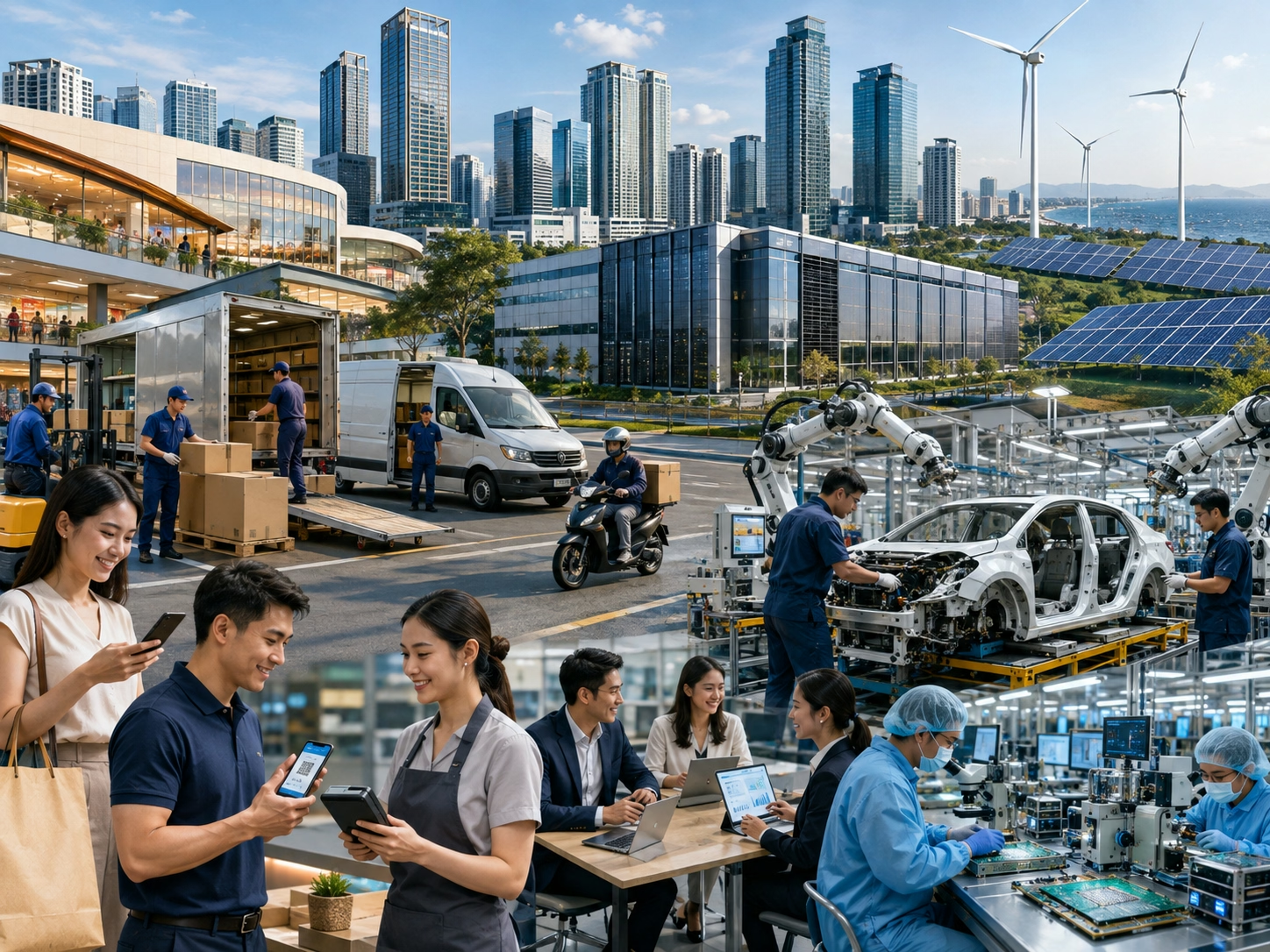

The Philippines is home to several large corporations that are key contributors to the nation’s economy. These companies, many of which are diversified conglomerates, operate in multiple sectors such as retail, telecommunications, energy, and infrastructure. This article takes a closer look at the largest companies in the Philippines, the challenges they face, and their strategies for ensuring continued success in an increasingly competitive global economy.
1. Ayala Corporation: Adapting to Changing Times
Ayala Corporation is one of the most influential companies in the Philippines, with operations in real estate, banking, telecommunications, and utilities. Over the years, Ayala has demonstrated its ability to adapt to changing market dynamics by diversifying its business model.
Ayala’s strategy for future growth is heavily focused on sustainability and digitalization. Through its subsidiaries, such as Ayala Land and Globe Telecom, the company has embraced green development and eco-friendly infrastructure projects. Furthermore, Globe Telecom has been investing heavily in 5G technology and expanding its digital services, positioning Ayala as a key player in the Philippines’ digital transformation.
2. SM Investments Corporation: Innovation in Retail and Real Estate
SM Investments Corporation is another major player in the Philippines, known for its SM malls and residential developments. SM Prime, its real estate arm, continues to dominate the country’s urban development landscape. The company has shown impressive growth by combining traditional retail with digital innovation.
SM’s strategy to incorporate e-commerce solutions and online payment systems has allowed it to remain competitive in a rapidly changing retail environment. Additionally, the company’s expansion into banking through BDO Unibank has positioned it as a leading player in the financial sector.
3. San Miguel Corporation: Diversification and Sustainability
San Miguel Corporation, originally a brewery, has diversified its operations to include food, beverages, energy, and infrastructure. The company is well known for its aggressive expansion strategy and has been investing in new sectors, such as renewable energy.
San Miguel’s focus on sustainability is evident in its commitment to reducing carbon emissions and investing in cleaner energy alternatives. Additionally, the company has expanded its infrastructure portfolio by developing key projects such as toll roads and airports, contributing to the modernization of the Philippine economy.
4. JG Summit Holdings: Expansion into Emerging Markets
JG Summit Holdings, founded by the late John Gokongwei, is one of the largest conglomerates in the Philippines, with a presence in industries such as food manufacturing, telecommunications, and petrochemicals. The company’s food division, Universal Robina Corporation, has seen substantial growth, both locally and internationally.
JG Summit is focused on expanding its footprint in international markets, with a particular emphasis on Southeast Asia. The company has also made significant investments in telecommunications, through its stake in Globe Telecom, and is positioning itself as a leader in the digital economy.
5. PLDT Inc.: Transforming into a Digital Powerhouse
PLDT Inc. is the Philippines’ largest telecommunications company, providing essential services such as mobile, internet, and fixed-line communications. With the growing demand for digital services, PLDT has been investing heavily in expanding its network infrastructure and developing new digital solutions.
In addition to its core telecommunications business, PLDT has ventured into the fintech sector, developing platforms for mobile payments and financial services. The company’s investment in fiber-optic technology and 5G networks is expected to keep it at the forefront of the Philippines’ digital transformation.
Conclusion
The largest companies in the Philippines have played a crucial role in shaping the country’s economy. With their diversified operations, commitment to sustainability, and focus on innovation, these companies are well-positioned to navigate future challenges. As the Philippines continues to evolve, these corporations will remain essential drivers of economic growth and technological advancement.