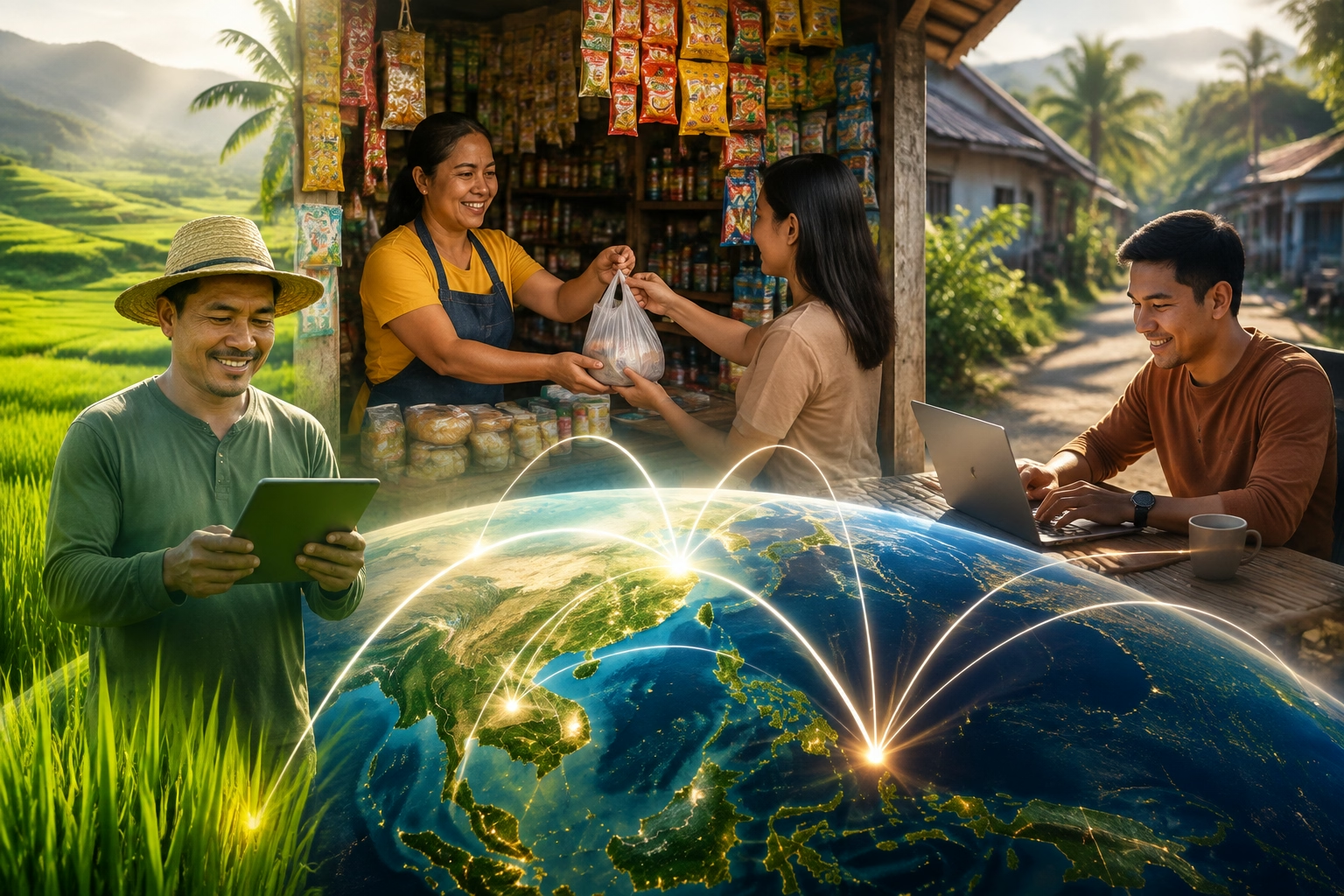
The Philippines’ rural financial inclusion campaign in 2026 is being powered by an unusual trio: low-orbit satellites, interoperable QR codes, and microfinance institutions. According to the Bangko Sentral ng Pilipinas’ Financial Inclusion Dashboard, 68 percent of Filipino adults now have a formal account, with the fastest growth occurring outside Metro Manila. This article examines the technology and institutions driving that shift in remote communities.
Satellite Internet Overcomes the Connectivity Barrier
Many remote barangays in Mindanao, Palawan, and the Visayas still lack reliable mobile broadband. Low-earth-orbit satellite services, including Starlink, have begun filling this gap in 2026, providing high-speed internet to schools, health centres, and community hubs. This connectivity allows digital wallets, online banking apps, and government e-services to function in places where laying fibre-optic cable is impractical. Even intermittent connectivity is enough for basic transactions, enabling agent terminals to sync data and process payments offline.
QR Ph Creates a Common Payment Language
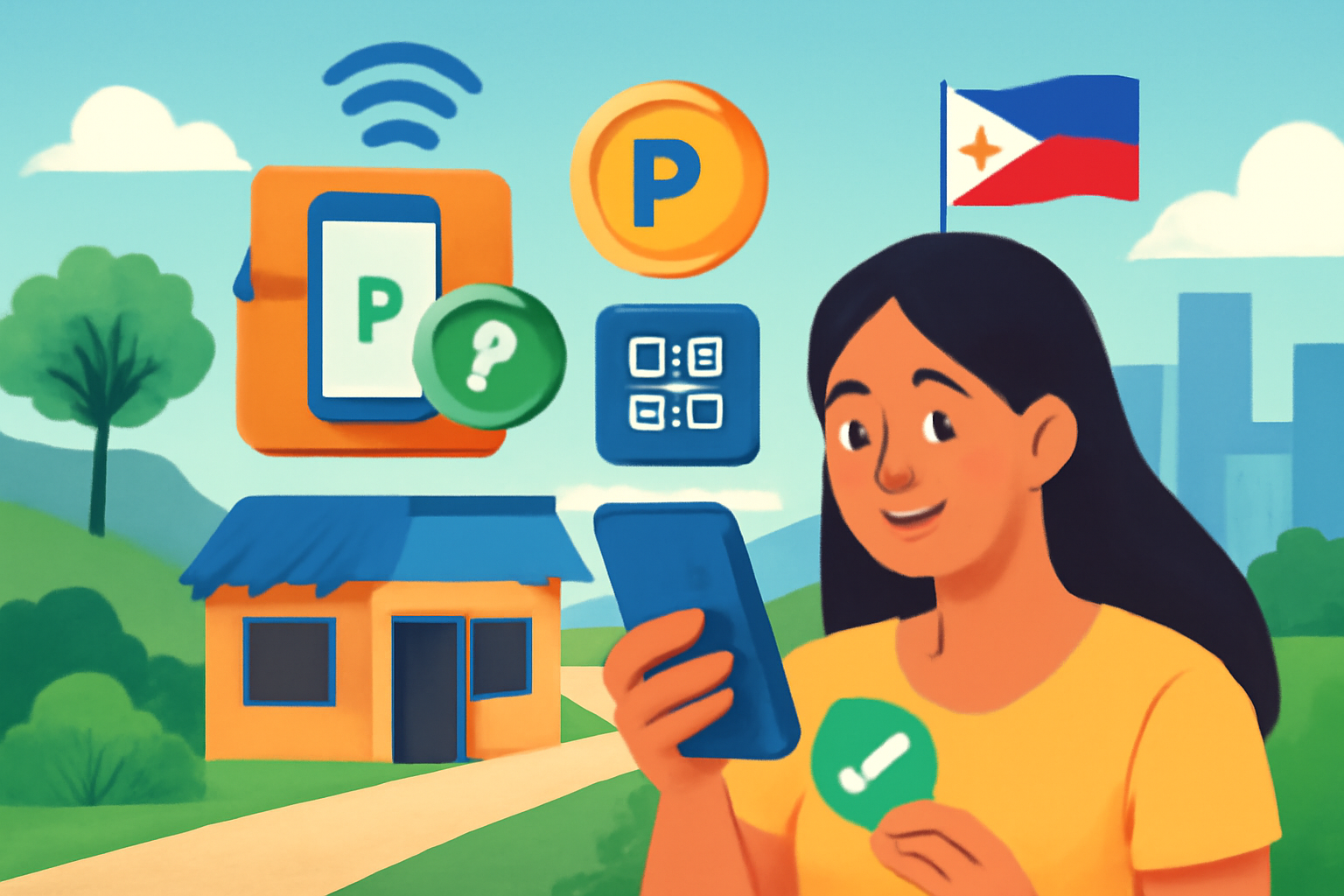
The BSP’s QR Ph standard allows customers of different banks and e-wallets to scan the same code, removing a major friction point. A farmer in South Cotabato can receive payment from a buyer in Manila directly to her e-wallet, while a sari-sari store owner in Biliran can accept QR payments from any provider. The Paleng-QR Ph Plus program has expanded this ecosystem to public markets, tricycle terminals, and local government offices. In 2026, QR transactions have become common in provincial centres and are spreading to smaller towns.
Microfinance Evolves with Digital Credit Scoring
Microfinance institutions and rural banks are leveraging digital transaction data to assess creditworthiness. Instead of requiring land titles or formal payslips, lenders look at mobile wallet inflows, utility payments, and purchase histories. This allows them to extend small working-capital loans to farmers, market vendors, and home-based entrepreneurs. Microinsurance products bundled with loans protect borrowers against typhoons, illness, and crop failure. Digital repayments reduce administrative costs and default risk, making rural lending more sustainable.
A Community Hub Model in Samar
In a coastal village in Samar, a local cooperative set up a solar-powered kiosk with satellite internet, a QR code scanner, and a cash-in/cash-out agent. Fishermen bring their catch to the landing site, where buyers scan a QR code to pay. The cooperative then offers savings accounts and small loans for boat repairs. The kiosk also processes government cash transfers and sells microinsurance. This integrated model shows how digital tools can be bundled into a single accessible point of service.
The Road Ahead for 2026 and Beyond
Despite these advances, satellite data costs remain a challenge for low-income users. Some communities still lack reliable electricity, requiring solar and battery solutions for agent outlets. Digital literacy training must expand, especially for women and older adults. Regulators are also working to strengthen cybersecurity and prevent digital lending abuses. The 2026 rural inclusion drive is not a single breakthrough but a layered effort in which connectivity, payments, and credit reinforce one another.