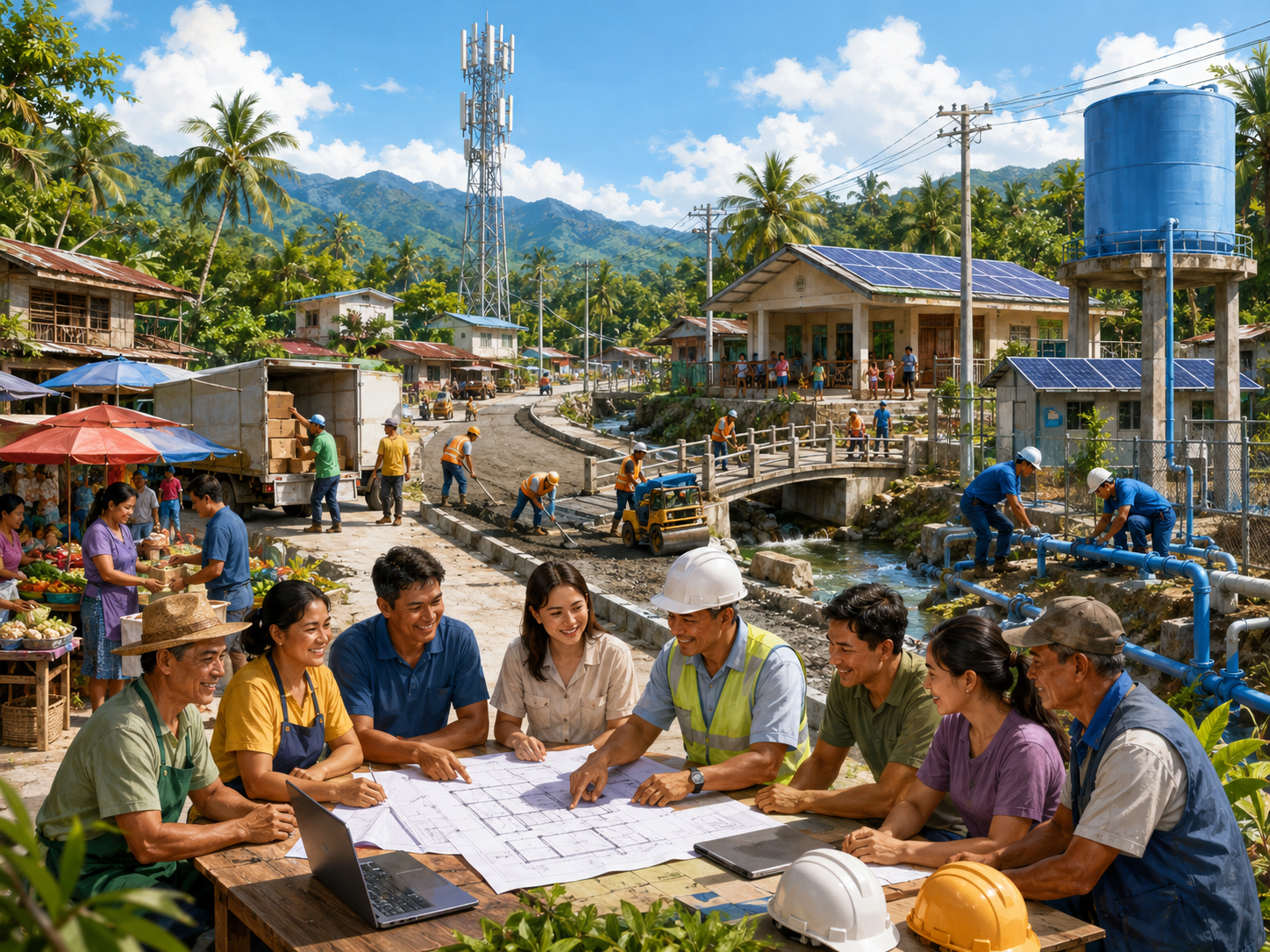

Micro, Small, and Medium Enterprises (MSMEs) have long been at the heart of the Philippine economy. With their extensive reach across various sectors and regions, MSMEs play a pivotal role in generating employment and fostering local development. However, to ensure their continued growth and success, it is essential to address the challenges that hinder their development and harness the opportunities available in today’s rapidly changing business environment.
The Economic Impact of MSMEs
MSMEs contribute significantly to the Philippine economy, both in terms of employment and GDP. They account for 99.5% of all registered businesses in the country, representing the majority of the private sector. According to the Department of Trade and Industry (DTI), MSMEs employ over 60% of the country’s workforce, making them the largest employer in the nation.
Beyond job creation, MSMEs also serve as key contributors to local and national economies by driving economic activity in sectors such as retail, agriculture, services, and manufacturing. As such, their health and growth are critical to the broader economic prosperity of the Philippines.
Key Challenges Facing MSMEs
- Inadequate Access to Financial Resources
The inability to access financing remains a key challenge for many MSMEs in the Philippines. With stringent lending criteria and high-interest rates, many small businesses are excluded from traditional banking services. Without adequate financial support, MSMEs struggle to invest in new technologies, hire additional staff, or expand operations. - Regulatory Complexity and Compliance Costs
The regulatory environment in the Philippines can be complex, with varying rules across different regions. Compliance with these regulations can be burdensome for MSMEs, especially when dealing with taxes, licenses, and permits. Streamlining these procedures and offering support to navigate regulatory hurdles would help improve the ease of doing business for MSMEs. - Technological Limitations
Many MSMEs still operate using traditional methods, which limits their ability to scale and innovate. The adoption of new technologies such as automation, data analytics, and cloud computing could significantly improve productivity and efficiency. However, the high cost of these technologies and the lack of technical knowledge among MSME owners pose barriers to their widespread adoption.
Opportunities for MSMEs in the Philippines
- Digital Transformation and E-Commerce
The growth of digital technology presents MSMEs with an unprecedented opportunity to expand their market reach and increase efficiency. E-commerce platforms provide small businesses with a way to sell products to consumers across the country and internationally. Furthermore, digital marketing tools like social media and search engine optimization can help MSMEs promote their products and build their brands. - Government Support Programs
The Philippine government has recognized the importance of MSMEs and has implemented several programs designed to support their growth. The P3 program, for example, provides small businesses with low-interest loans, while the DTI offers training and capacity-building programs to help MSMEs improve their operations. Additionally, the Philippine Export Development Plan supports MSMEs in expanding into international markets. - Sustainability and Green Business Practices
Sustainability is becoming increasingly important in the global marketplace. MSMEs in the Philippines can benefit from adopting sustainable practices, such as using eco-friendly materials, reducing waste, and minimizing their carbon footprint. These practices not only contribute to global sustainability efforts but also help businesses differentiate themselves in the marketplace.
Conclusion
MSMEs are integral to the Philippine economy, driving job creation, economic activity, and regional development. However, challenges related to access to finance, regulatory complexity, and technological limitations must be addressed for these businesses to reach their full potential. By embracing digital transformation, taking advantage of government support programs, and adopting sustainable practices, MSMEs can overcome these barriers and continue to thrive in the evolving business landscape.